Table of Contents
Real Talk
Quick question: when’s the last time you Googled something instead of just asking ChatGPT?
If you can’t remember, that’s not a coincidence, and it’s exactly why digital marketing webinars need a serious rethink this year.
I run a marketing agency that’s generated two million leads since 2014. Every year there’s some tool or trend that everyone swears is the future.
Most of it fades.
But 2026 is different, because four smaller shifts are stacking on top of each other.
Here’s the actual state of webinar marketing in 2026, based on what we’re seeing with real clients, not headlines.
So, What Changed?
Before we go deep, here’s the short version:
- AI made execution faster, but strategy still has to come from people
- Free AI answers mean webinars can’t just “teach” anymore, they need to shift belief
- Ad platforms now read the message in your ad, not just whether it follows the rules
- Generic follow-up messages are quietly killing conversions
Now let’s break each one down.
1. AI Didn't Replace Strategy, It Just Exposed Bad Strategy
Here’s an uncomfortable truth: AI hasn’t made marketing easier. It’s made bad decisions faster.
When a chatbot can respond to a lead in two seconds, and an AI tool can spit out fifty ad headlines before lunch, it feels like progress.
But speed only helps if what you’re speeding up was good to begin with.
A lot of the AI and webinar marketing trends conversation is people mistaking output for strategy.
Businesses are using AI to write their digital marketing webinar invites, their slides, their entire follow-up sequence, and wondering why nothing’s converting better than before.
The reason is simple.
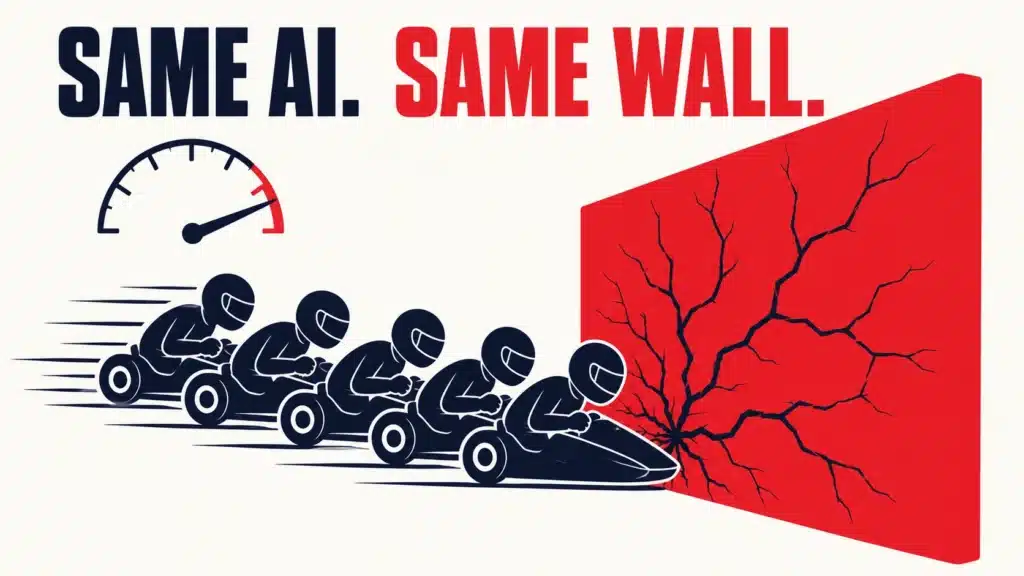
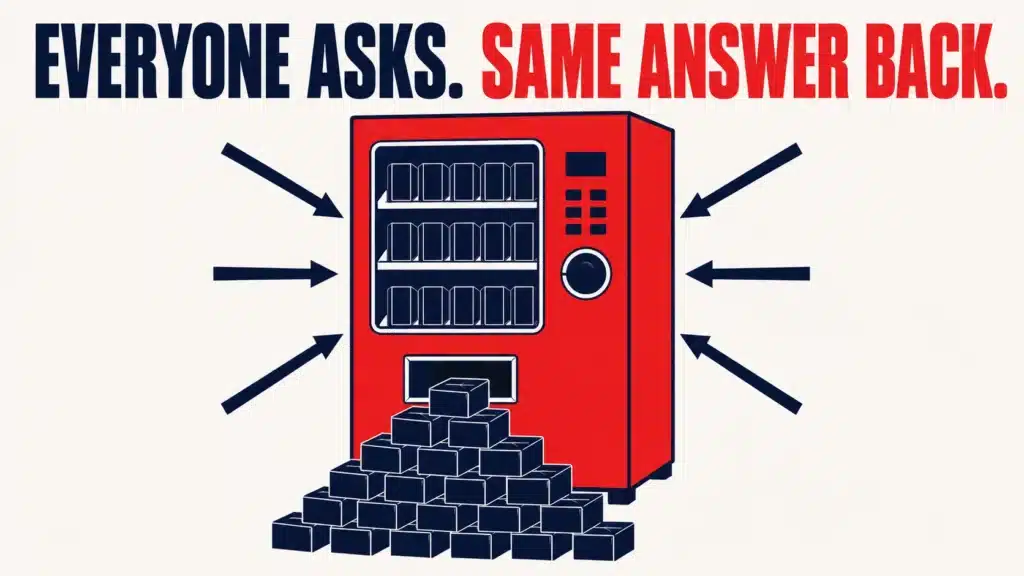
If you and every competitor in your space are prompting the same AI tool the same way, you all end up saying the same thing.
AI didn’t level the playing field, it flattened it.
📌What actually works: Build your angle as a team first. Argue about it. Then let AI stress-test it or find gaps, instead of starting there.
2. Free Answers Changed What a Webinar Needs to Do
This is the shift most people are sleeping on. It’s called AEO, or Answer Engine Optimization, and it’s bigger than most “AI SEO” content makes it sound.
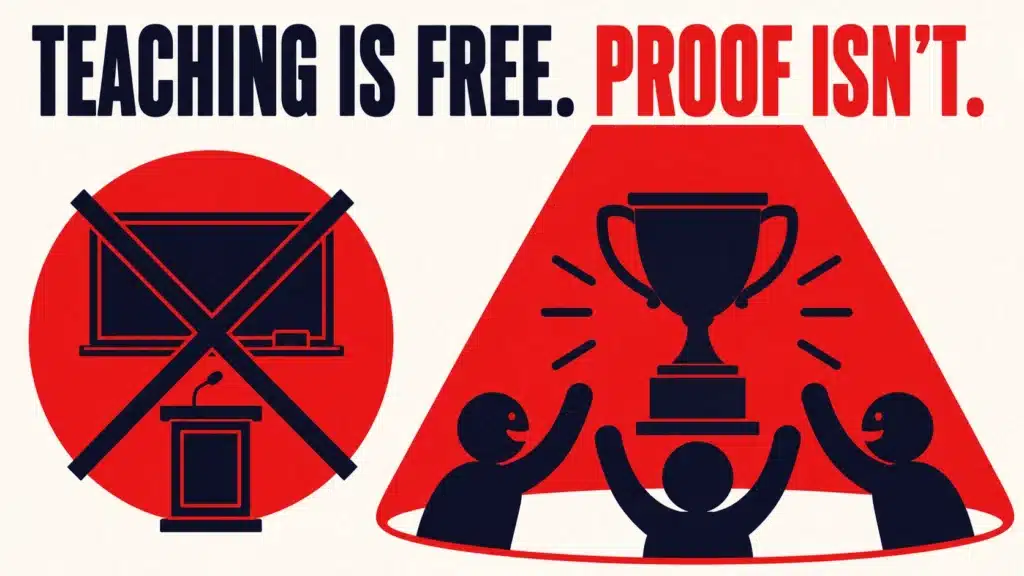
Here’s the plain version: if someone can ask ChatGPT a question and get a decent answer in ten seconds, for free, then your digital marketing webinars can’t just answer that same question slower and call it valuable content.
That used to be the whole model, teach something for 60-90 minutes, then pitch. Now the information part is worthless if it’s the same info sitting in everyone’s pocket already.
We tested this directly with a client.
Cheap leads, strong attendance, barely any sales for weeks. The webinar was packed with step-by-step teaching, exactly the kind of thing AI now gives away instantly.
We stripped a chunk of that out and replaced it with proof: real outcomes, specific numbers, people who’d actually done the thing.
Sales moved immediately, in the very next session.
The lesson isn’t webinar-specific. When information is everywhere and free, belief is the only thing left to sell.
➤Here’s a closer look at tracking that shift across attendance and revenue.
3. Ad Platforms Can Tell When You're Phoning It In
Meta’s ad AI, called Andromeda, used to just check formatting and compliance. Now it reads what your ad is actually communicating.
Run twenty near-identical, low-effort variations and hope one sticks? Andromeda notices, and it costs you.
Ironically, better ad-platform AI has made a lot of marketers more careless, not less.
Since the platform can technically “optimise” for you, teams skip the hard thinking.
Everyone prompts the same AI for the same batch of ad copy, and the market gets flooded with lookalike messaging that all underperforms together.
Organic isn’t a backup plan here either.
Feeds are saturated with AI-generated content, and it’s burying genuine posts regardless of quality.
If you’re serious about digital marketing webinars as a growth channel, paid traffic isn’t optional anymore, it’s one of the few places you still control who sees what, and when.
➤ Here’s what getting that ad strategy right actually looks like.
4. One Follow-Up Message for Everyone Is Costing You Sales
This one’s not flashy, but honestly? It might matter the most.
Most businesses send the exact same follow-up to every single lead.
Doesn’t matter if that person showed up, ghosted, watched the whole thing, or didn’t buy a thing, they all get the same message.
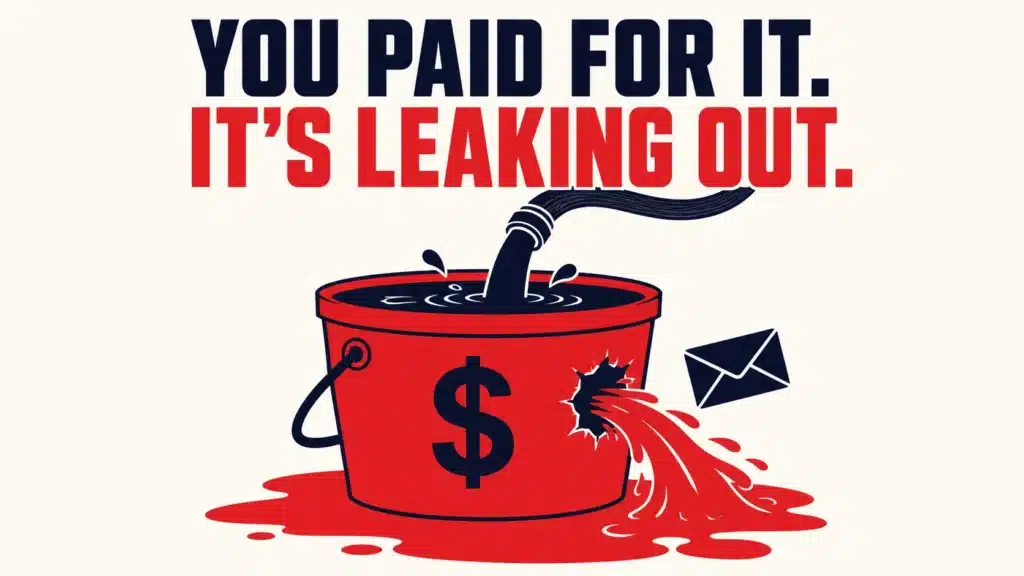
That is a HUGE mistake. That’s you wasting traffic you already paid for.
The businesses actually crushing it right now do something different: they change the message based on what people actually did.
Someone who signed up but never showed? That’s a different message than someone who watched the whole webinar and just didn’t pull the trigger.
And AI’s taking this even further now, some systems can send a message based on the exact minute someone dropped off, or something specific they typed in the chat.
Five years ago, there’s no way you could’ve pulled that off at scale.
And hey, this isn’t just a webinar thing.
It works for email, texts, retargeting, all of it. But digital marketing webinars make it super easy to track what people are doing, so it’s a great place to start.
If you haven’t built anything like this yet, don’t stress about making it perfect.
Just two different messages is a solid start.
➤ Here’s what a real follow-up sequence looks like once you’re ready to build it out properly.
Where This Leaves You
None of these four shifts are really about the tools. They’re about what happens when everyone has access to the same tools.
AI, AEO, smarter ad platforms, personalised follow-up, they all reward the businesses that still do real strategic thinking.
…And punish the ones that don’t.
That’s the honest state of digital marketing webinars heading into the rest of 2026: same fundamentals, higher stakes for skipping them.
FAQs: Digital Marketing Webinars in 2026
Digital marketing webinars are being reshaped by AI tools, smarter ad platforms, and rising demand for personalised follow-up. Businesses combining AI with genuine strategic thinking are outperforming those relying on AI alone.
AI speeds up tasks like ad copy and follow-up messaging, but it can't replace strategy. When teams lean on AI without original thinking, their marketing starts looking identical to competitors using the same tools.
AEO, or Answer Engine Optimization, means optimizing content for AI tools like ChatGPT rather than just Google. It matters for digital marketing webinars because audiences now arrive already informed by free AI answers, so pure teaching content underperforms.
Platforms like Meta now use AI, such as Andromeda, to evaluate what an ad's message actually says, not just whether it follows format rules. Running many near-identical ads is less effective, and original creative matters more.
Stop leading with information people can already get free from an AI tool, and lead with proof instead: real results, real numbers, real people who've done the thing. Combine that with segmented follow-up and ads that say something original, since that's the combination most competitors still aren't doing.
Radical Marketing is Here to Help
Look, you don’t need to overhaul everything you’re doing overnight.
Nobody expects that, and honestly, trying to fix all four of these at once is a good way to burn yourself out and fix none of them properly.
But if you’re reading this and thinking “Okay, which one of these actually applies to me?” , that’s exactly the right question to be asking.
Maybe your webinars are still doing the heavy how-to teaching that AI already gives away for free.
Maybe your ads have been running the same tired variations for months and you haven’t looked at why.
Or maybe everyone on your list, no matter what they did, is getting the exact same follow-up email.
Whatever it is, you don’t have to figure it out alone.
We’ve been doing this for over a decade, and we’ve seen what actually moves the needle versus what just looks good on paper.
If you want the full breakdown of how we approach digital marketing webinars end to end, check out our complete webinar marketing guide.
No fluff, no sugarcoating, just what we’d actually do if it were our own campaign.