Table of Contents
The Webinar Lead Generation Wake-Up Call
If you’ve run a webinar in the last 12 months and felt like you were lighting your ad budget on fire – congratulations, you’re not imagining things. Something has changed.
After running webinar funnels for over a decade and generating more than 2 million leads since 2014, we can say this with confidence: more people are burning money on webinar lead gen right now than at any other point this decade.
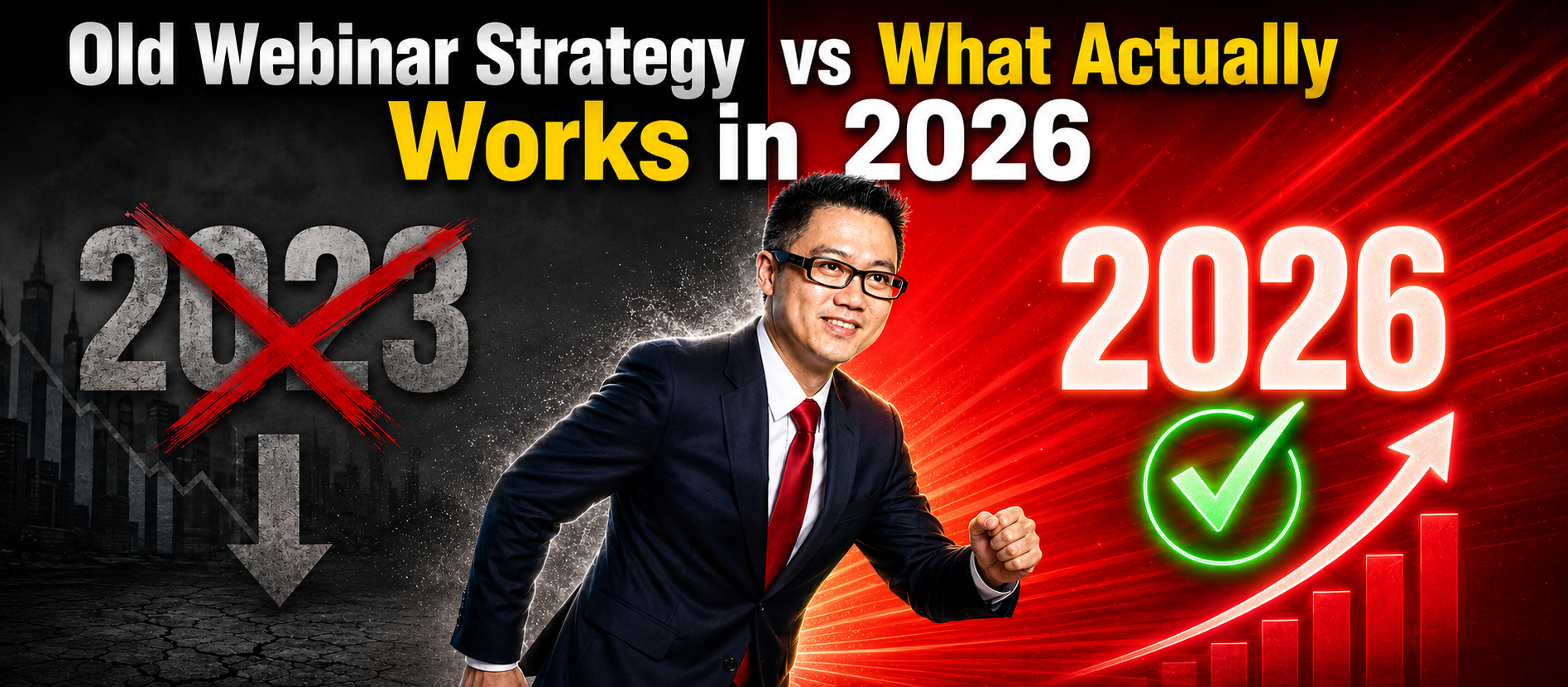
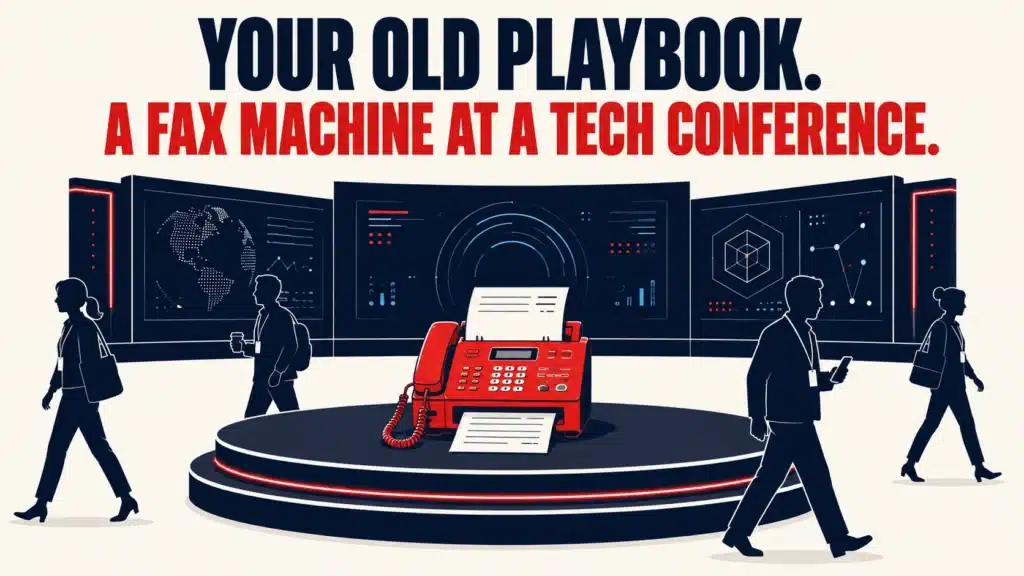
The old playbook of “ads → landing page → webinar → pray” had a good run. But in 2026, it’s about as effective as a fax machine at a tech conference.
That’s why we now look at webinars as a complete webinar marketing system, a full engine covering traffic, show-up, conversion, follow-up, and authority-building.
This post covers the four webinar lead generation strategies producing real results right now.
Let’s get into it.
Watch here:
Spotify listeners, tune in here:
Apple Podcasts listeners, tune in here:
Why The Old Playbook Died
Three forces converged in 2026 to break the traditional “ads → landing page → webinar → pray” funnel:
🔴The Meta Ad Algorithm Update.
Meta now reads the underlying message of your ad, not just the visuals.
Twenty creative variations that say the same thing? Meta treats them as one ad.
Your reach gets capped and your CPL climbs. Your agency calls it “creative fatigue.” It’s actually message fatigue. Huge difference.
🔴Audience Sophistication.
Your ideal client has sat through a ton of webinars and been burned by the bad ones. “Free training on how to overcome X” doesn’t stop the scroll anymore.
🔴AI Competition.
Your prospect now has a free coach in their pocket: ChatGPT, Gemini, Claude.
People are using AI to replace business coaches, live coaching programmes, even (in one memorable case) their actual psychologist. You’re no longer just competing against other coaches.
You’re competing against free.
Strategy 1: The Multi-Funnel Lead Gen System
Most coaches run one funnel, and if the webinar doesn’t convert, they assume it’s broken.
Relying on one funnel is like having one friend group. If it falls apart, your social life is over.
Our best clients run multiple funnels simultaneously:
A mini course as a lead magnet – not a PDF, a real 5–7 day email course that builds trust before the prospect ever sees a sales message.
This pulls in leads at $2–$5 instead of $15–$20, and by the time they reach your webinar, they already know, like, and trust you.
A VSL funnel for warm retargeting – people who went through your mini course but didn’t book a call get retargeted with a video. Another conversion opportunity, zero extra spend on cold traffic.
Monthly webinars for fence-sitters – a recurring event that creates urgency and converts people who just needed more time.
Our client Jerry Lee runs a tuition business with multiple lead magnet funnels, a trial class funnel, and a webinar funnel all running at once.
He went from 7 tutors to 27 tutors and over 2,000 students across five years. The business keeps growing because the ecosystem works as a whole.
He's not pressured to sell everything at a single webinar.
Once people are in the ecosystem, there are multiple events and multiple touch points to convert.
The lesson?
Stop treating your webinar like a solo performer and start building a band.
Strategy 2: Blitzvertizing
Here’s the biggest mistake in webinar lead gen right now: people pour time and money into new images, videos, and thumbnails…
But they’re saying the same thing in every ad. They’re rearranging deck chairs on the Titanic.
The issue isn’t your creative. It’s your message.
We call our approach the Blitzvertizing System.
The process: test multiple message angles as simple one-image ads. Kill the losers at ~500 impressions. Test headlines against the winning angles. Then build video creative on a foundation you know resonates.
Want to take it even further?
Develop a brand new concept that hits your prospect like an ice bucket challenge.
Think Robert Kiyosaki’s Cash Flow Quadrant, James Clear’s Atomic Habits, or Donald Miller’s StoryBrand.
Creating a proprietary framework isn’t easy, but it’s the most powerful way to stand out in a crowded market.
When our client Eason came to us, he was breaking even on ad spend. We tested different message angles, and one (“how to use AI to create a trading bot that trades for you”) crushed everything else.
First campaign with that message: 12x ROAS.
We never know which angles will work ahead of time, and that’s the whole point. You test, you find out, you scale the winners.
Another client, Yasir, generated over 6,000 leads with a 5.44x ROAS overall because we kept refreshing the message, not just the images.
And Jerry from Strategy 1? His CPL was above $10. Through systematic message testing, it dropped to $0.97. Ninety-seven cents.
All and all, the right message in an ugly ad will outperform a cinematic masterpiece with the wrong message every time.

Strategy 3: The Sprint Webinar - Fix Your Show-Up Rate
The industry average for webinar show-up rates is 30–40%. Most coaches we talk to are getting 20% or less.
That means you pay for 100 leads and 80 of them never even see your offer. They ghosted you harder than a bad Tinder date.
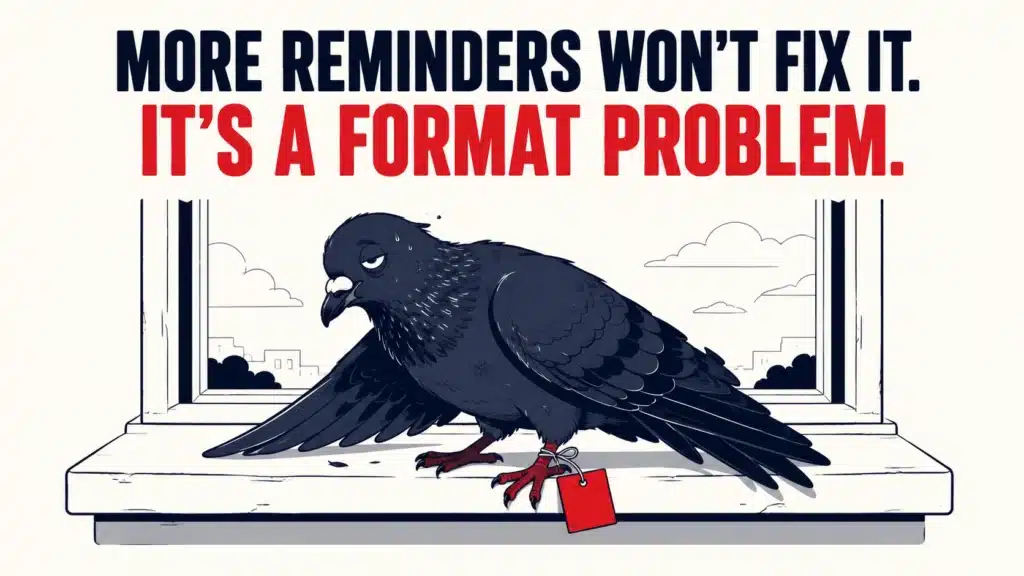
The typical fix is more reminder emails. Maybe more SMS nudges. Maybe a carrier pigeon. But it’s not a reminder problem, it’s a format problem.
We developed the Sprint Webinar: a 20-minute, AI-powered format built to drive higher show-up rates by changing the experience itself.
For one client, it produced an 84% show-up rate with 10% converting to booked appointments. A SaaS client went from a painful 3–4% show-up rate to 28%, nearly 10x better.
Here’s the maths that matters: same $1,000 budget, same 100 registrants. At 20% show-up, 20 people see your offer.
At 40%, 40 people see it. You’ve doubled your sales opportunities without spending a single extra cent.
So, before you spend another cent on traffic, look at your show-up rate. Improving it is the single highest-leverage move you can make. It’s free money hiding in plain sight.
Strategy 4: AI-Powered Follow-Up
Even with everything above dialled in, you’ll still have people who attend and don’t buy.
From our experience, 70–80% of sales are lost not because the lead was bad, but because nobody followed up properly or fast enough.
AI follow-up works as a revenue multiplier at three stages:
Before the webinar:
An AI bot confirms attendance, reschedules no-shows to the next event, and asks one question, “What’s your number one challenge with [topic]?”, which boosts engagement and feeds market research back into your message testing from Strategy 2.
After the webinar (fence-sitters):
AI starts a human-like conversation, uncovers objections, and either sends them to a sales page or books a call at a fraction of the cost of doing it manually.
Cold lead revival:
People who went through your funnel months ago and went quiet. AI re-engages them with a new webinar, new content, or new offer. These are leads you already paid for. Waking them up costs almost nothing compared to acquiring fresh ones from scratch.
The Bottom Line
None of these four webinar lead generation strategies is a silver bullet on its own.
That’s the whole point.
Multiple funnels catch the leads a single webinar misses.
The right message makes those funnels actually pull people in.
A better show-up rate means you stop wasting the leads you already paid for.
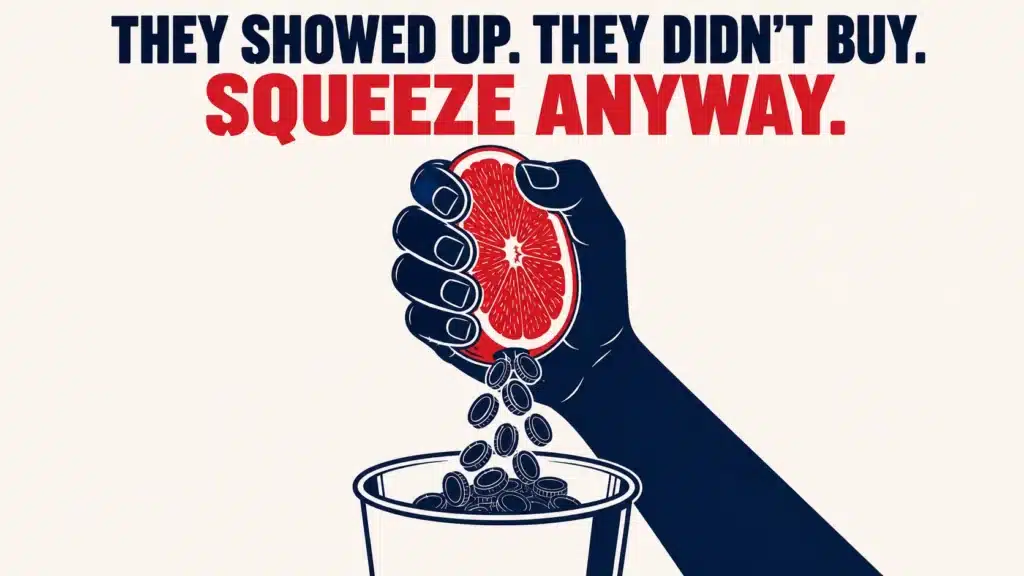
And AI follow-up squeezes revenue out of the 70-80% who show up but don’t buy on the day.
Stack them together and you’re not running a webinar anymore.
You’re running effective webinar lead generation strategies.
FAQs: Webinar Lead Generation Strategies
Blitzvertizing is Radical Marketing's message-testing system for webinar ads. Instead of testing creative variations, it tests different message angles as simple one-image ads, kills underperformers at around 500 impressions, then builds video creative only around the winning message. One client's CPL dropped from over $10 to $0.97 using this method.
The industry average webinar show-up rate is 30-40%, though most coaches see 20% or less. Radical Marketing's Sprint Webinar format has produced show-up rates as high as 84% for one client and lifted another from 3-4% to 28%, nearly doubling the number of leads who actually see the offer.
A Sprint Webinar is a 20-minute, AI-powered webinar format built to fix low show-up rates by changing the event experience itself, rather than adding more reminder emails or SMS nudges. For one client, it produced an 84% show-up rate with 10% converting to booked appointments.
Three forces changed the game: Meta's ad algorithm now reads ad messaging rather than just visuals, capping reach on repetitive creative; audiences are more sophisticated and skeptical after years of webinars; and AI tools like ChatGPT now compete directly with coaches for a prospect's attention and trust.
70-80% of webinar sales are lost not because the lead was bad, but because follow-up wasn't fast or thorough enough. AI-powered follow-up addresses this at three points: confirming attendance before the event, engaging fence-sitters after it, and re-engaging cold leads from past webinars at little extra cost.
Radical Marketing Can Help You Build This System
These four webinar lead generation strategies (the multi-funnel ecosystems, message-first testing, the Sprint Webinar format, and AI-powered follow-up) aren’t complicated individually.
But together they form a system, and systems beat tactics every single time.
The good news?
You don’t have to build this yourself. Let’s have a conversation and we’ll build it for you.
No pressure, no obligation, just a friendly chat to see if we’re a good fit.
If you want the full breakdown of how these pieces fit together, read our 6-pillar webinar marketing framework.