Table of Contents
Why Talented Speakers Still Can't Get Booked
Every speaker I’ve ever met has the exact same two problems. Getting people in the room, and getting those people to actually trust what you’re saying once they’re in it.
That’s the whole game of marketing for speakers, really.
Strip away the buzzwords and it comes down to those two things: You have to be found, and you have to be believed.
Most speakers get this backwards. They spend all their energy polishing the talk and none of it on marketing for speakers as its own skill.
I get it, the stage is the fun part. But nobody buys a ticket to a stage they’ve never heard of.
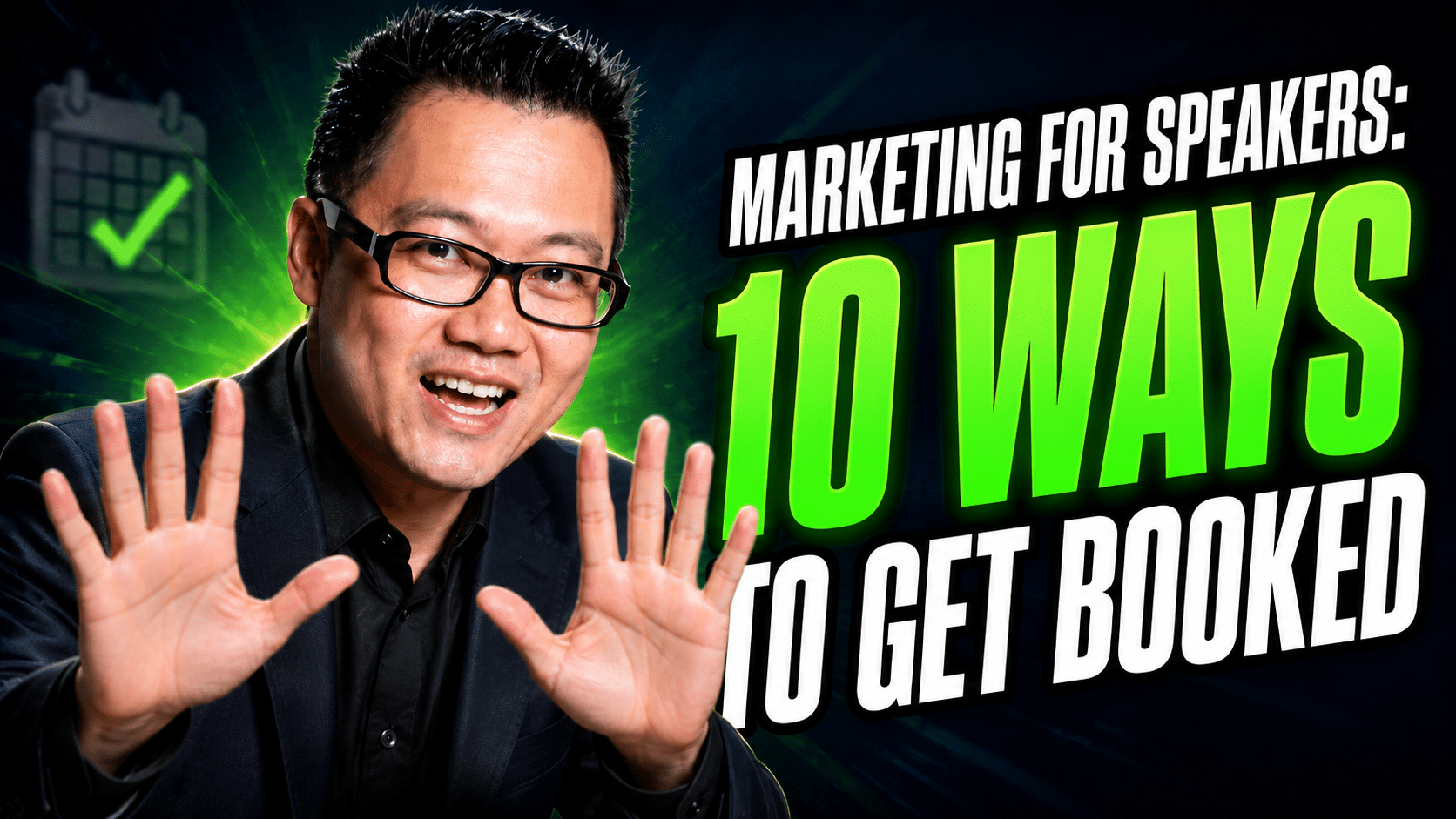
Here are 10 ways I’ve seen actually move the needle. Some of these you’ll know already. Doesn’t matter, most people still aren’t doing them properly.

1) Pick a Niche Before You Pick a Platform
Everyone’s got a handful of things they’re good at talking about. Your job in marketing for speakers is picking one and going deep, not staying broad and hoping everyone likes you.
A narrow niche means less competition, and you get to talk about stuff you actually know cold.
It’s also just more fun to talk about things you care about, and audiences can tell the difference.
Ask yourself who genuinely benefits most from what you say. That answer tells you exactly who to go after.
2) Build a Website With an Actual Blog on It
You need a website. Obvious, I know, but you’d be surprised how many “professional” speakers are running off a single Instagram bio link.
The blog bit matters more than people think. It’s where marketing for speakers gets easier over time instead of harder, because a blog keeps working for you long after you’ve written it.
People search Google for answers before they search for a speaker to hire. If your blog answers their question, you show up in that search, and now they’ve found you without you paying for a single ad.
That’s the whole point of organic content, it compounds.
Turn on comments too. It’s a small thing, but it lets people engage publicly, which builds trust faster than anything you can say about yourself.
3) Write a Book, Even a Short One
Nothing signals “authority” faster than a book with your name on the cover.
You’ve got two options here: give it away to grow your list, or sell it and make a bit of money on the side.
Self-publishing is genuinely simple now. Write it, get it edited, get a decent cover made, hit publish. You keep all the royalties too, just not a publisher’s stamp of credibility.
Going the traditional publishing route is slower, and you’ll wait on someone else’s timeline for marketing approval.
But it comes with prestige that self-publishing doesn’t, since you’ve had to clear someone else’s bar first.
Pick whichever fits your goals. Full control, or borrowed credibility. Both work.
4) Build Your Email List Properly
Here’s a stat that still holds up, email converts roughly 40 times better than social media alone. If marketing for speakers has one non-negotiable, it’s this list.
The trick is your call-to-action can’t be boring.
“Sign up for updates” gets ignored.
“Download the exact 3-step opener I use to get a standing ovation” gets clicked.
Use words like free, exclusive, and access. Put your CTA at the top of blog posts, not buried at the bottom. And don’t be afraid of a bit of personality in the copy, a cheeky CTA outperforms a plain one nearly every time.
5) Get on Other People's Podcasts
Appearing as a guest puts you in front of an audience that’s already primed to listen, which is exactly what makes this one of the highest-leverage moves in marketing for speakers.
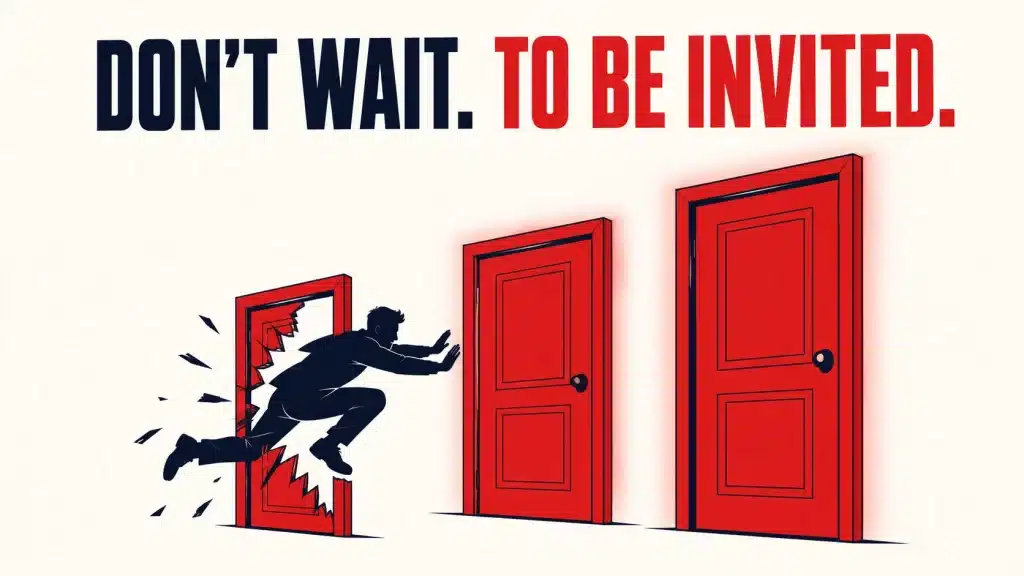
Don’t wait to be invited.
Find 10 podcasts your ideal audience already listens to and pitch yourself. Start with smaller shows willing to say yes, then use those appearances as proof to land bigger ones.
Compound this over a year and you’ll have spoken to more people through podcasts than most speakers reach through paid ads.
6) Get Media Coverage
Getting quoted by a journalist does two things at once…
It puts your name in front of a new audience, and it borrows the outlet’s credibility for you.
Sign up to HARO (Help A Reporter Out). Journalists post what they need daily, and if you’re useful to them, they’ll credit you and link back to your site.
That link helps your SEO too, so it’s working for you twice.
7) Actually Advertise Yourself
Organic reach is great until you need results by a specific date.
That’s where paid ads come in.
Facebook and Google ads are still one of the cheapest ways to reach a targeted audience if you dial in location, demographics and niche properly.
Look at what your competitors are doing too, their ad strategy tells you what’s already working in your space.
And if you’re running your own webinars to promote yourself, you need ads pointed at them.
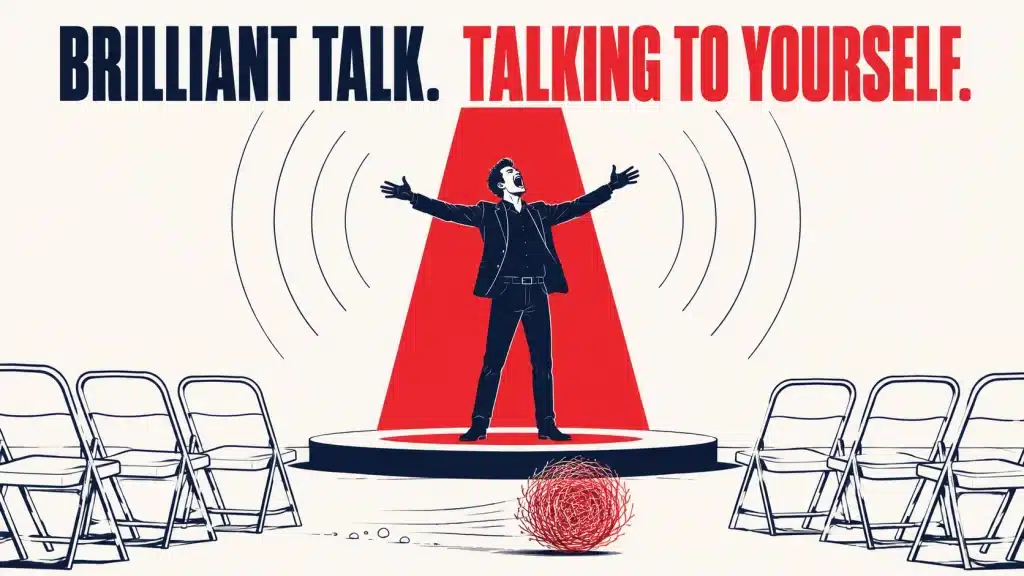
A brilliant webinar with nobody watching is just you talking to yourself.
If you want the mechanics of getting people to actually show up once they’ve registered, The Show-Up Formula covers that in detail.
8) Build a Social Presence, on the Right Platforms
You don’t need to be everywhere. You need to be where your audience actually is.
For most speakers that’s Facebook, LinkedIn, Instagram and Twitter, not TikTok.
Pick two, do them properly, and use them to keep existing clients engaged as much as to attract new ones. A loyal audience that sees you show up consistently becomes your best source of referrals.
9) Connect With Relevant Influencers
Influencer marketing works because it borrows someone else’s trust and hands it to you.
But only if the endorsement feels genuine, a forced or awkward mention does more damage than good.
Pick influencers who are actually credible in your niche, not just popular. Popularity and influence aren’t the same thing, and mixing them up wastes your time and theirs.
10) Write Guest Articles for Bigger Sites
This is the slower cousin of podcast guesting, but it works the same way.
Find sites with an audience similar to yours, pitch them a genuinely useful article, and expect a fair number of rejections before you land one.
When you do land one, keep your own voice in the writing rather than sounding like generic filler content. A strong guest post with a compelling opening earns you readers who click through to your site, not just readers who skim and leave.
If you’re also running your own webinars as part of your growth strategy, our guide on converting webinar attendees into paying clients is worth a read once you’ve got people showing up.
Where to Start
That’s 10 levers for marketing for speakers. All of them are really doing the same three things, building your presence, building trust, and reaching the right people consistently.
Don’t try all 10 at once. Pick two or three, get good at them, then layer in the rest as your audience grows.
If you’re coaching or training rather than pure keynote speaking, our marketing for coaches guide goes deeper into that specific angle.
FAQs: Marketing For Speakers
Marketing for speakers is the process of building an audience and getting booked as a paid speaker. It covers everything from niche positioning and content marketing to email lists, paid ads, and media coverage, all aimed at solving the two core challenges every speaker faces: visibility and trust.
Start by picking a specific niche rather than trying to appeal to everyone. Build a simple website with a blog, start an email list from day one, and look for smaller podcasts willing to have you as a guest. These four steps alone put most aspiring motivational speakers ahead of others still waiting to be discovered.
Most speakers get booked through consistent visibility, not agents. Podcast guesting, guest articles, media coverage through services like HARO, and a well-run email list all generate direct inbound enquiries without needing a booking agency to open doors.
Yes. A website is where prospects verify you're legitimate before booking you, and a blog lets you rank in Google for the exact questions your audience is already searching. Without one, you're relying entirely on referrals and social media reach, which is a much slower way to grow.
Podcast guesting is usually the fastest lever, since it puts you in front of an audience that already trusts the host and is primed to listen. Pair that with an email list to capture that audience before they forget you, and you compound results faster than paid ads alone.
Radical Marketing Can Help With Your Speaker Marketing
Just wondering, would it help to know how we can fill up your webinars consistently?
Whether you’re just starting out or you’re a seasoned keynote speaker, we run everything from strategy to full promotion campaigns.
Years of doing this, real client results behind it, and a genuine track record of helping speakers turn an audience into paying clients.
If that sounds like what you need, get in touch below.